Development from 1890 — 1930
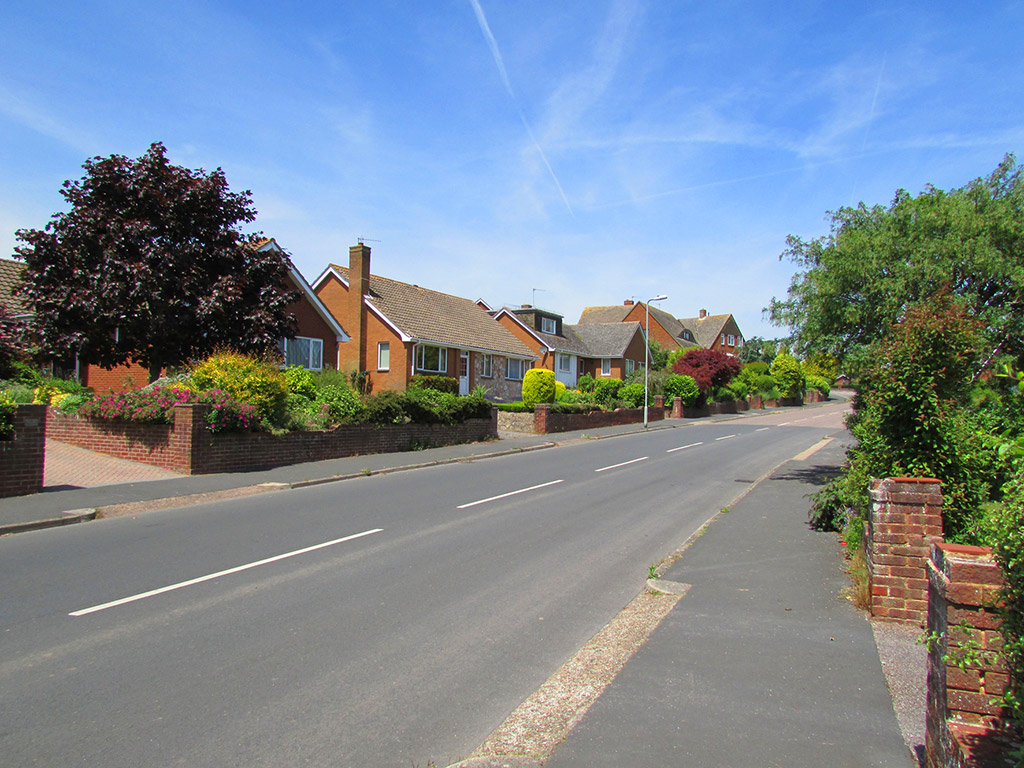
Victorian/Edwardian developments originally consisted of large houses, or villas, set in extensive gardens with mature trees, hedges and distinctive brick or stone walls, with many enjoying a rural outlook and sea views. A stroll through this part of The Avenues reveals the tranquil beauty and air of maturity, which is still evident today despite recent developments — an impression which is strengthened by a sense of character and history which pervade the atmosphere.
Development in the 1930s and 1940s
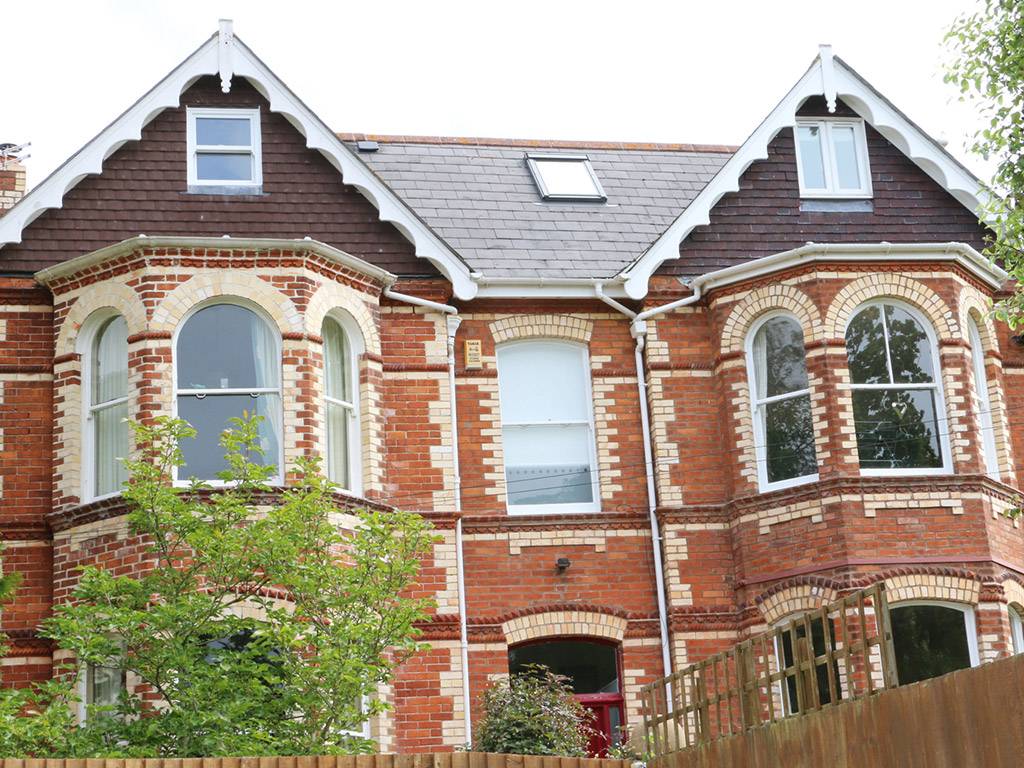
During the 1930s and 1940s, development took place in the area between the boundary of Salterton Road at Cranford View up to Littleham Cross, Cranford Avenue from the junction with Douglas Avenue past Merrion Avenue and up to Littleham including all roads off, and the section of Douglas Avenue from Mayfield Drive up to Merrion Avenue.
Post 1950 to date
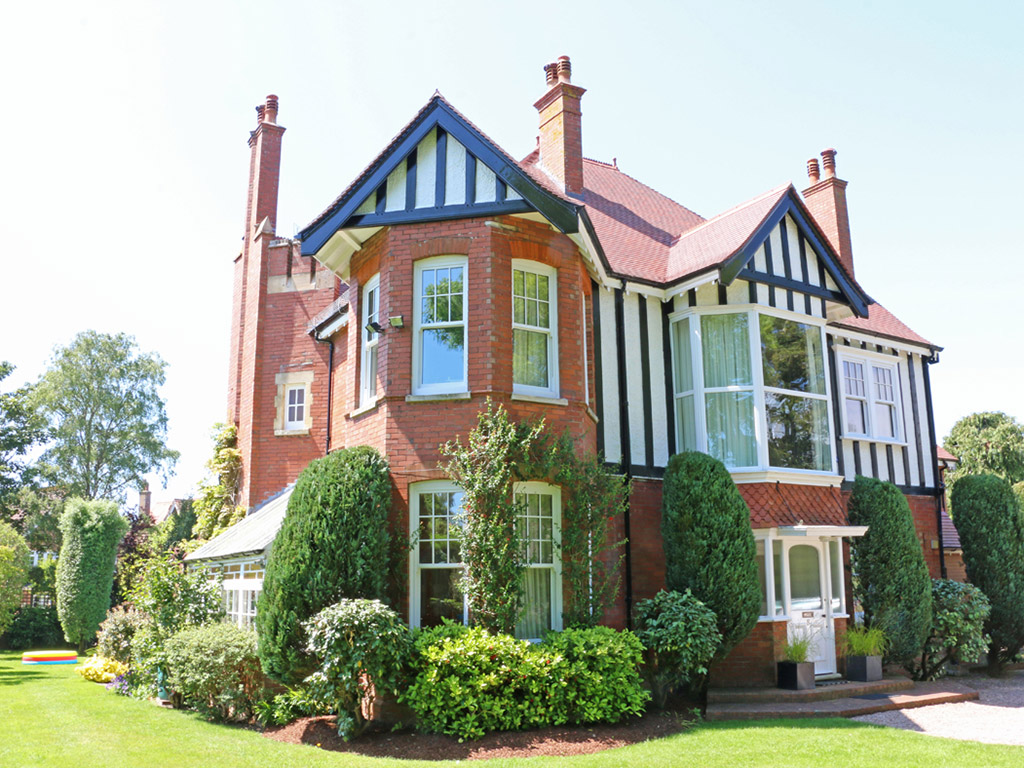
This era extended Douglas Avenue from Merrion Avenue north-eastwards to Littleham Road. It consists predominantly of detached dwellings occupying smaller plots and sited closer to the road. The parts of Douglas and Cranford Avenues closer to Exmouth Town Centre have many apartment blocks. It was the widespread destruction of period houses and their replacement with often unsympathetic designs that resulted in the creation firstly of SAD (Save Avenues from Despoliation) and today’s TARA (The Avenues Residents Association). In the last 10 years Plumb Park has been developed off to the South of Douglas Avenue. The Deaf Academy has been created from a substantial part of the old Rolle College site with the balance of the site being developed into Rolle Gardens. Part of the Rolle College playing fields have been devEloped as Orcombe Gardens.